
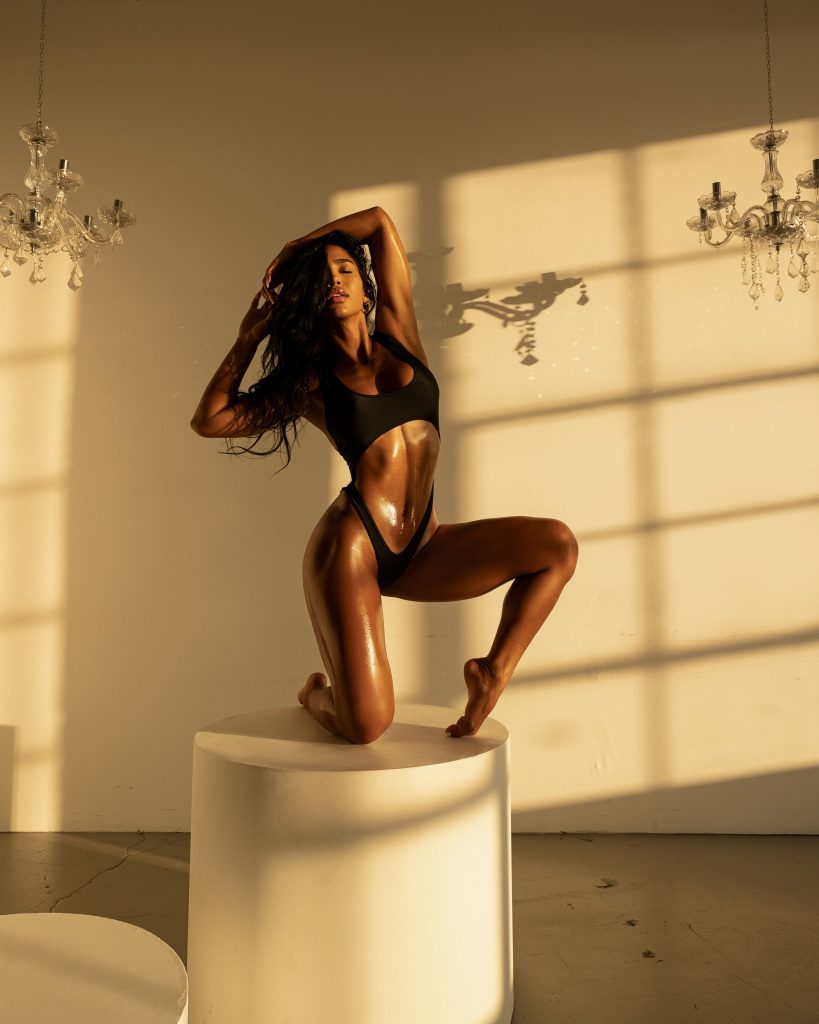
Valeriia Guznenkova is a professional photographer, the author of the Guznenkova Method, a member of the Eurasia Photographers Association (FIAP), and a researcher working at the intersection of visual art and the scientific study of perception. Her practice extends beyond photography itself, incorporating ongoing research, academic publications, participation in professional competitions, and the development of a structured approach to working with the human body in the photographic image. This multi-layered experience allows her to speak about the representation of the female body not from the perspective of trends, but from a position of deep understanding.
In an era where images of the female body are everywhere, it would be easy to assume that photography has learned how to see it. But according to Valeriia Guznenkova, that assumption couldn’t be further from the truth.
“The problem isn’t the lack of images,” she says. “It’s the lack of understanding.”
For someone whose work is increasingly shaping the conversation around body representation, Guznenkova speaks with unusual clarity. She does not approach this as a matter of style or visual preference. For her, it is a structural issue.
Most photographers, she argues, are still working with an outdated framework — one that reduces the body either to decoration or to display.
“They either try to make it look better,” she explains, “or they try to make it look desirable. But very few actually try to understand it.”
That distinction defines her approach.
The illusion of improvement
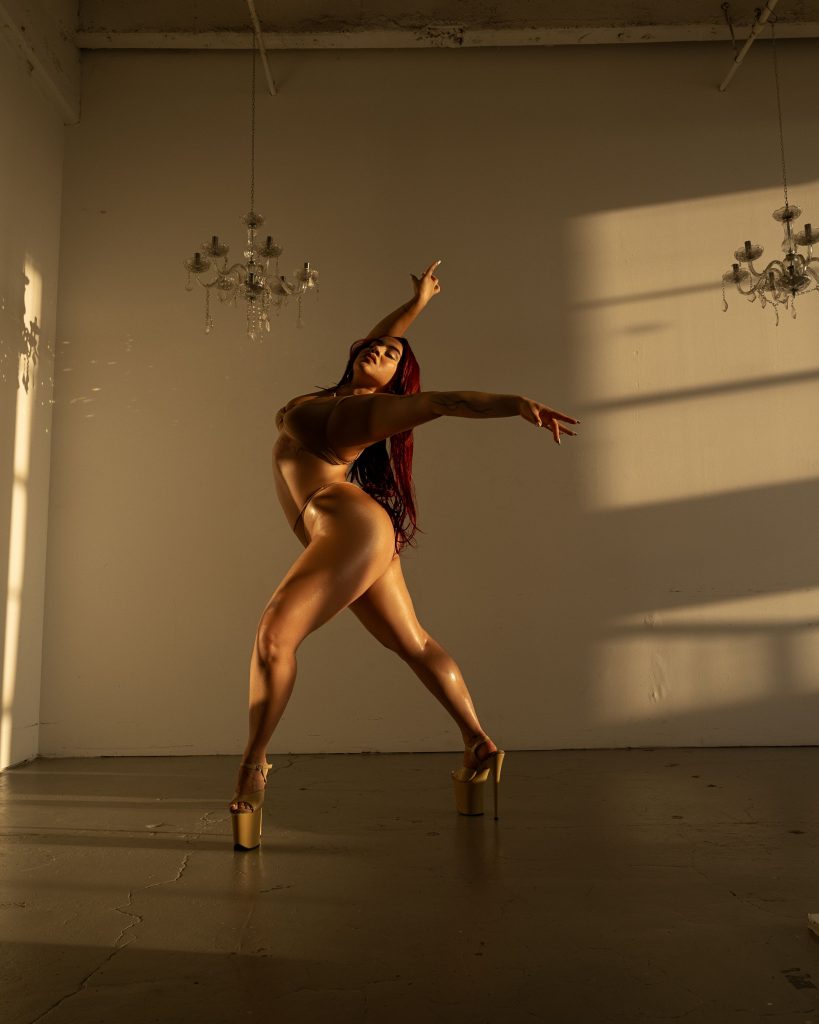
A significant part of contemporary photography still relies heavily on post-production. Skin is smoothed, shapes are adjusted, proportions subtly altered. The final image becomes less about the body itself and more about an idea imposed onto it.
Guznenkova sees this not simply as a technical habit, but as a conceptual limitation.
“When you rely on editing, you’re essentially admitting that the image wasn’t constructed correctly in the first place,” she says. “You’re fixing something that should have been resolved before the shutter was even pressed.”
Her position is not anti-editing — it is anti-dependence. This distinction is crucial. It returns responsibility to the moment of capture, where composition, posing, and spatial awareness become the core of the process.
Seeing the body as structure
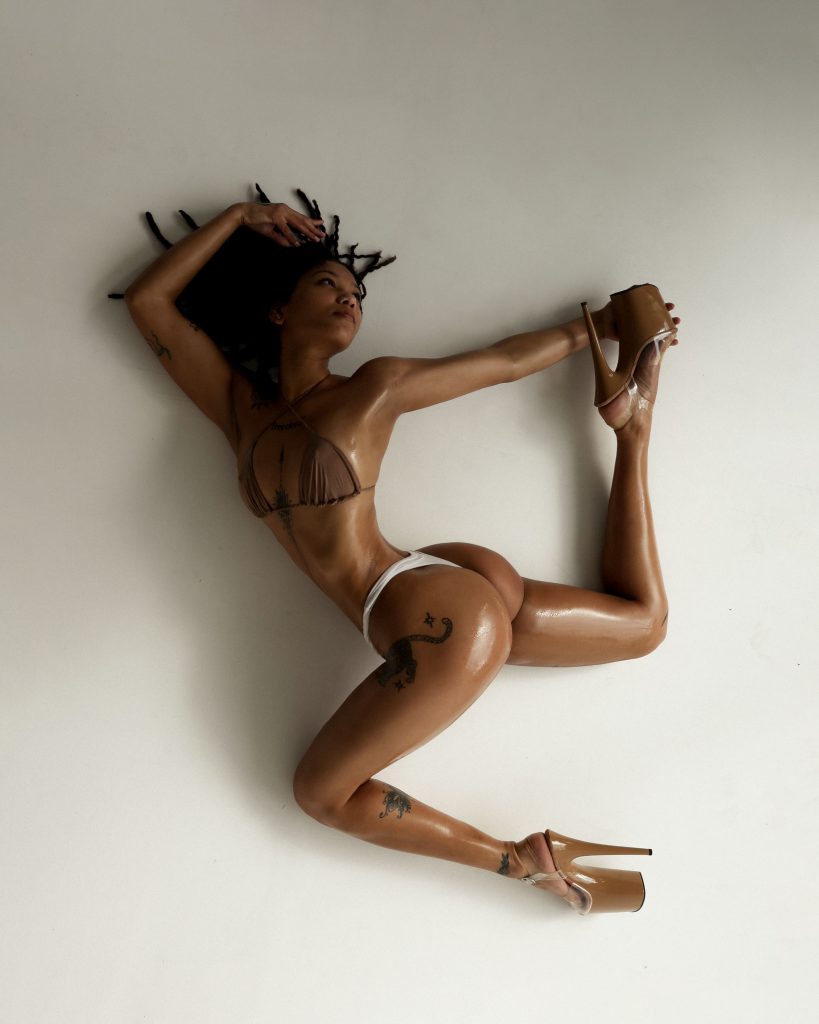
Where many photographers see surface, Guznenkova sees form.
In her approach, the body is not something to be styled into an image. It is something to be constructed within it. Line, weight, and balance are not abstract ideas, but practical tools.
This perspective changes the entire process of image-making. It removes randomness, reduces the need for correction, and produces a different kind of result — one that feels grounded rather than artificially refined.
“I’m not interested in perfect bodies,” she says. “I’m interested in precise images.”
Why the industry hasn’t changed
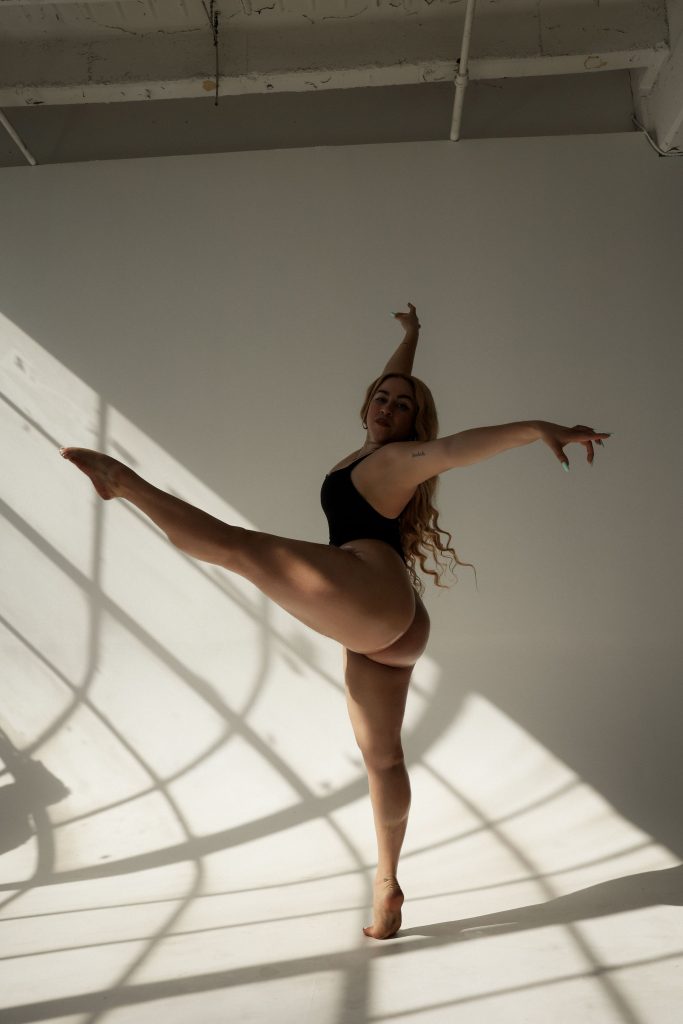
Despite the growing conversation around authenticity and body positivity, much of the visual language remains unchanged.
Guznenkova believes the issue is not cultural, but technical.
“People talk about acceptance, but they don’t change the way they shoot,” she notes. “And if the method doesn’t change, the result won’t either.”
It is a simple observation, but one that explains a great deal. Without a shift in how images are constructed, new ideas remain superficial.
A different standard
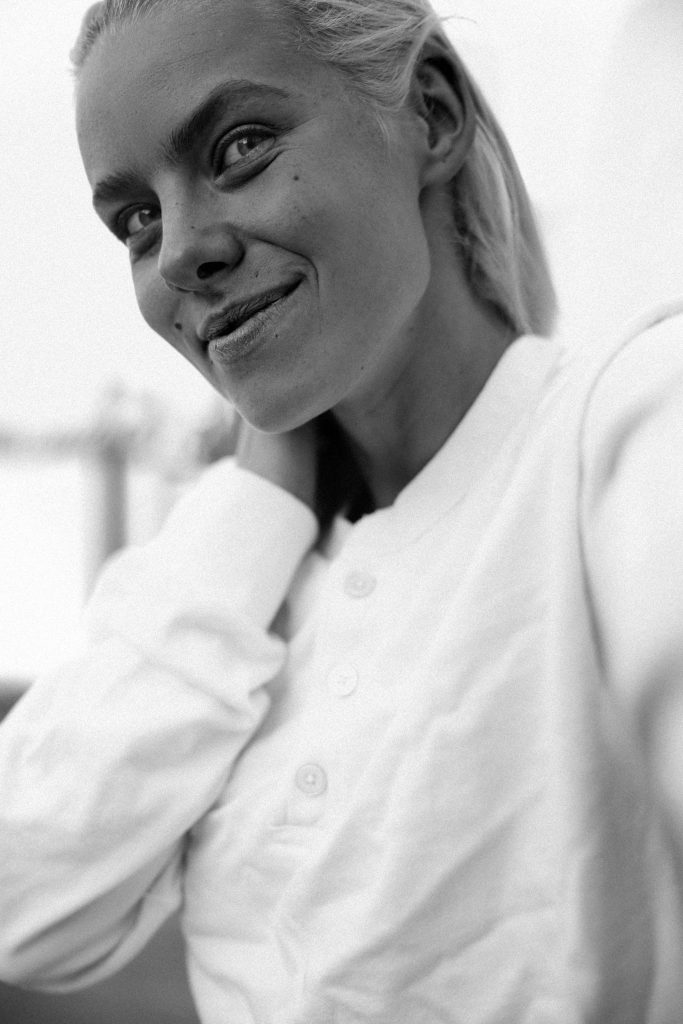
What makes Guznenkova’s position significant is not only her critique, but the alternative she offers.
Her work demonstrates that a different standard is not only possible, but already in practice — one where the image is constructed intentionally, where the body is understood rather than adjusted, and where the photographer operates with clarity instead of correction.
Over time, this approach has begun to influence others.
Not necessarily through imitation.
But through a deeper reconsideration of their own process.
And perhaps that is the more important shift.
Author: Emily Cart
Website: https://byguznenkova.com/